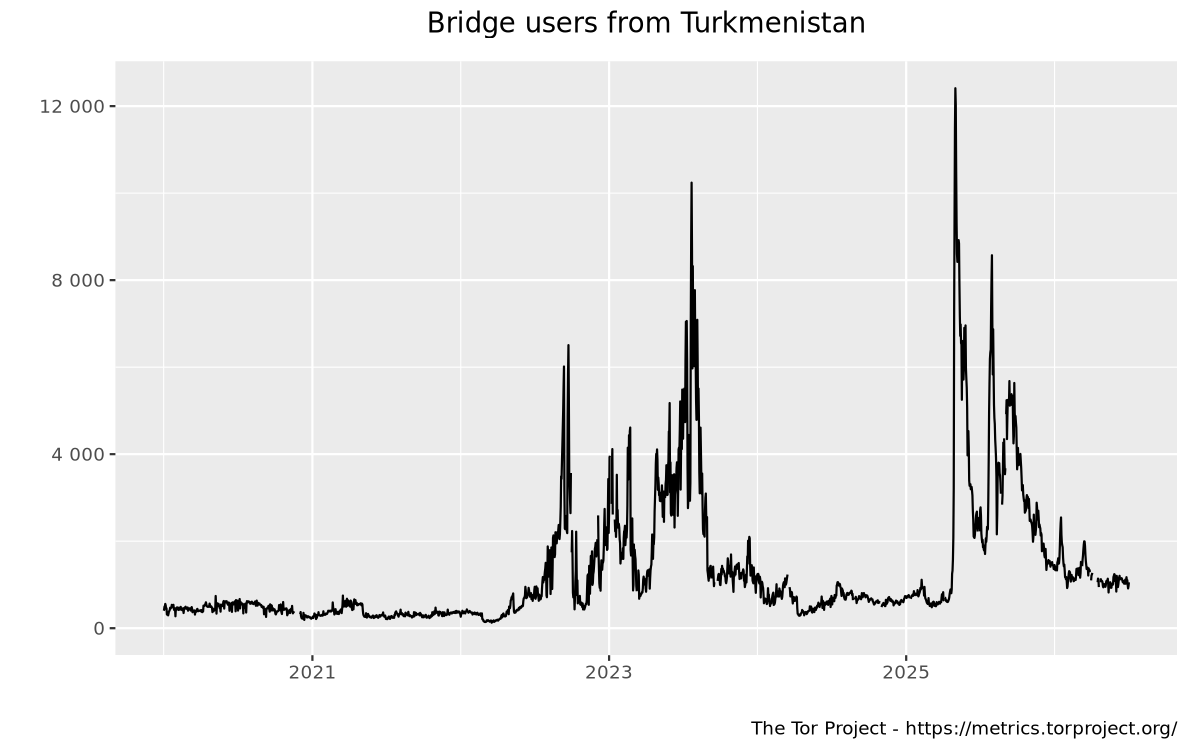
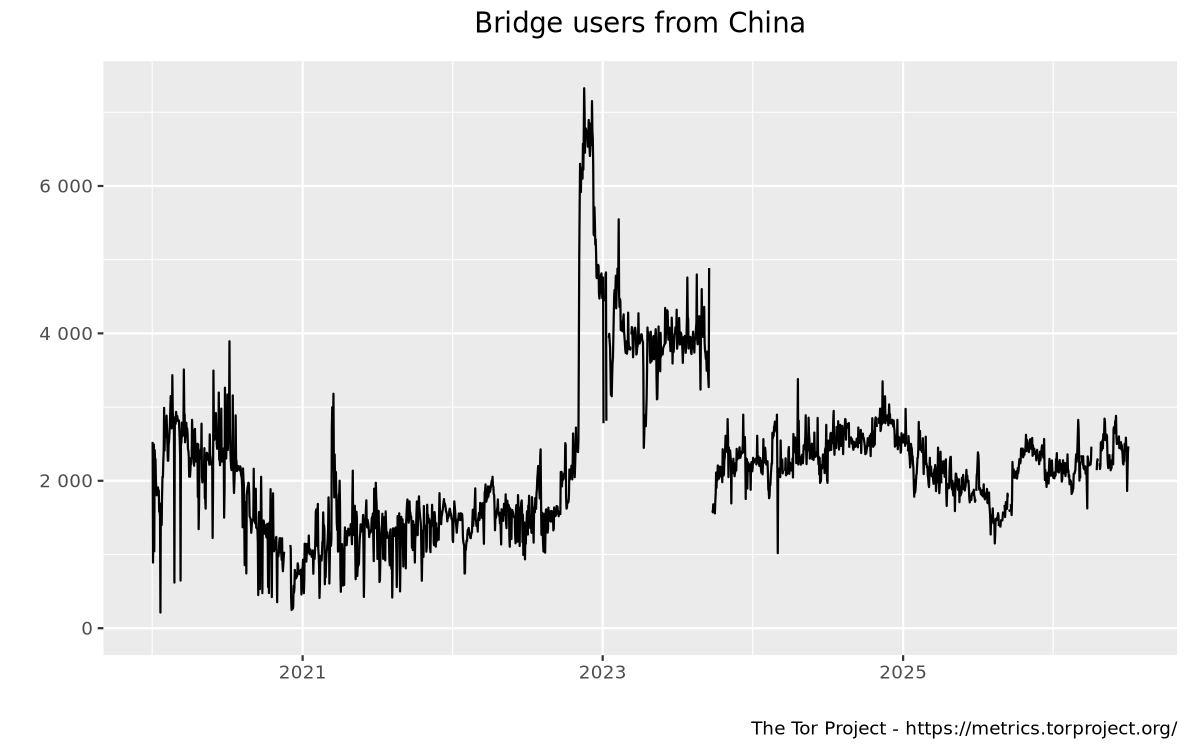
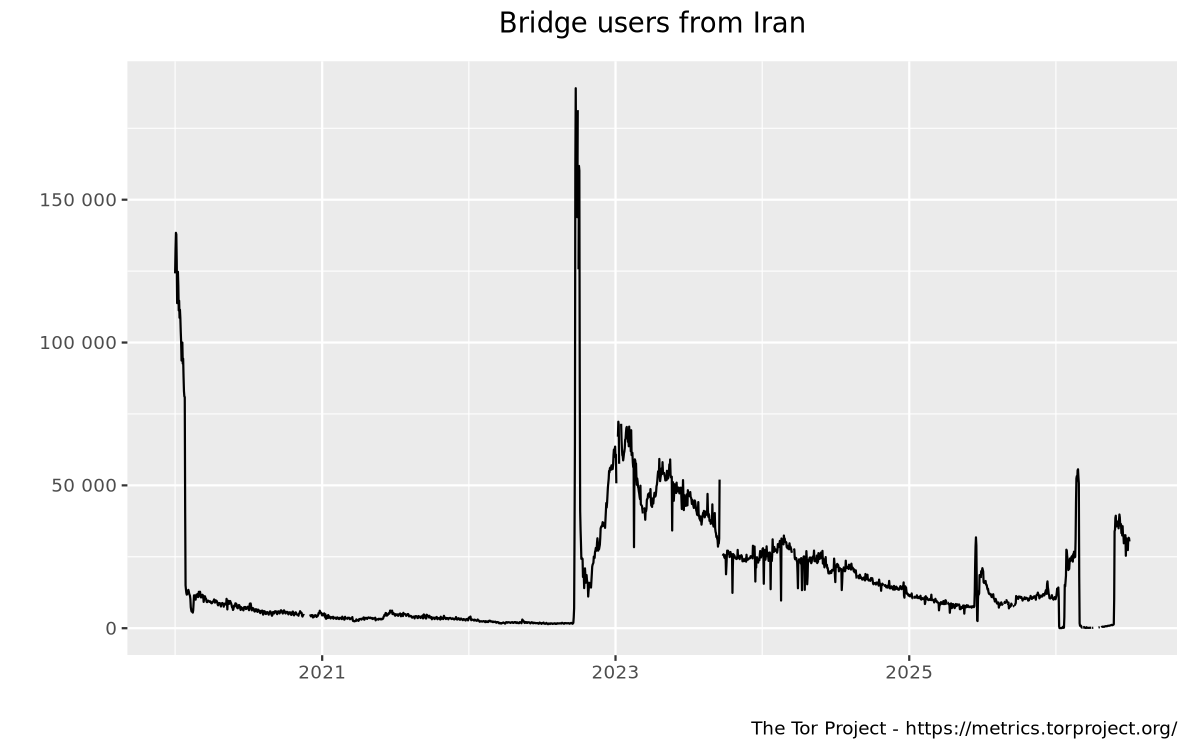
For people in Iran and other censored countries, why is Tor recommended so much for bypassing censorship? Yes it might help them get past censorship, but it is so slow that it is practically unusable, in fact Tor does not seem much good for anything because of how slow it is. Most sites block it, and you can achieve fairly similar levels of privacy with using a VPN and a browser like Brave.
I know the response might be that we cannot put much as much trust in a VPN provider as we can with TOR, however, I would trust a good VPN provider over the TOR network. I am too lazy to link the articles here, but it is widely known that TOR can be compromised by malicious exit nodes (which I guarantee that the NSA has already done).
Thoughts and opinions? I am not trying to start a battle, I just want too see what the community thinks about this.
From my understanding, “bypassing censorship” also applies to ordinary people rather than political activists. If you are being hunted down by an authoritarian government on a scale where compromised Tor nodes matter to you, I believe you already know what you’re doing for the most part, or you already have bigger issues to deal with. I would also argue that Tor is still more accessible for someone who tries to access information from a highly restrictive country. My reasoning is: if you are living in a country (where vpns are likely blocked), you are probably out of funds for getting a paid (and maybe working) VPN. In this case, Tor is a very usable tool solely for its bridges for example, for accessing Wikipedia and mainly text based sources, etc.
I think it is best not to assume everyone needs Snowden level privacy. Sometimes a working tool is better than an ideal one that isn’t available.
Also, in order for this to be harmful, there needs to be a certain amount of nodes being compromised. I have found this discussion on the forum regarding to that matter.
Yes, I would agree with the argument that not everyone can afford a VPN, that is a very good point. I know there are a few VPN’s that are very good for getting past censorship (even a certain amount of free monthly data), but I guess we can look at TOR as sort of a last resort with unlimited bandwidth (even if it is slow).
But this gets to the core of what I am getting at with my question. Can we really trust TOR over a good VPN provider? If I had I high threat model (I don’t), I think I would trust a good VPN provider over TOR. Does anyone else kind of feel the same?
I do like the concept of TOR, but these are just my personal feelings.
Portmaster Pro with Safing Privacy Network (SPN).
Website: https://safing.io/
It’s paid.
Official information:
Is the SPN like Tor?
The SPN is heavily inspired by Tor, but the mission is different. Next to tightly integrating with other privacy modules, the SPN protects all your computer’s connections, not just your browser. Additionally it spreads your connections across the globe instead of routing everything through the same circuit.
Source: How the SPN compares to Tor
Because online recommendations can be made by anyone, and online communities tend to have a hivemind. In reality, Current tor obfuscation isn’t effective in Iran even before the shutdown.
This is the answer. (Trusted) VPNs provide privacy, Tor provides anonymity
Private comms to a VPN server will conceal the content of your communications from third parties, but the ISP infrastructure will still see a connection to a known VPN server. This IP be blocked in a censored region. Anonymous comms are meant to be difficult to identify & block. Tor Bridges use ephemeral, private IPs to avoid blacklists, for example
They presented two points. The first being that Tor is slow and often blocked (which is very true but not in every occassion) and the second about compromised Tor nodes. The question appears to be about bypassing censorship (judging by the title) with a skepticism toward compromised Tor nodes rather than the reverse. And even that was what their question is; It is primarly an integrity problem that gives birth to obfuscation issues.
Edit: It seems like I completely missed their second comment where they clarified what their question is.
Can I ask why it is incorrect?
Such countries also generally tend to be poor. This is the causation. Also, I’m not saying that people should choose Tor over free VPNs. Giving such generalized advice without country specifics would be very wrong. I just stated that Tor still is a good and more accessible tool solely for bypassing censorship which I believe is the main question of the topic.
You are more than welcome to correct me if I’m missing something .
Even in provinces/regions with outdated DPI systems, people tend to not use Tor network because of the fact they’ll stand out. It’s safer to use Tor over VPN. VPN subscriptions are very common in those countries and VPN tends to be dirt cheap. There’s no such thing as being priced out, you’re manufacturing facts once again.
People want to access YouTube, google services, social media, and Tor’s exit nodes are both slow and blacklisted. You guys are conflating things. Most of the people who bypass censorship tend to do it to stay globally connected. It costs as low as 1$ a month per person to get a working config from a VPN provider, and could be even cheaper if a family or a friend knows a thing or two on how to selfhost those things.
I was thinking of dropping my adversarial stylometry just to write something publicly on this topic, but then i remember time and time again why PG forums suck.
Tor has had stream isolation to use separate circuits for unrelated traffic for almost 20 years so this is a quite odd statement. Either whoever wrote safing’s documentation doesn’t know how Tor works well enough to actually draw a comparison or they weren’t being completely honest. Regardless, I wouldn’t trust this page to provide accurate information as a result.
The claim in question is in an FAQ snippet and is oversimplified, “instead of routing everything through the same circuit” is indeed not accurate.
That text was written by the original Safing team (before IVPN acquisition), we will own it. However calling either team dishonest is imo. a big reach. The comparison blog has a proper rundown which uses different language.
The actual blog post referenced ( How the SPN compares to Tor ) qualifies it to “plain Tor” (raw SOCKS, where default config can share a circuit across destinations), and the differentiators of SPN e.g. geographically-chosen exits near the destination, whole-device coverage, and UDP support are legitimate. So I’d ask you to consider reading this as marketing oversimplification rather than evidence the previous team did not understand Tor or were being dishonest.


 .
.