A document by Netzpolitik reveals that German police are sneakily abusing the linked devices feature in messengers to access the messages of suspects using encrypted messengers like Signal without needing to crack the encryption.
Are there any settings in Molly or Signal that can prevent this attack? This seems almost too easy for them. Does ‘Registration Lock’ PIN prevent this? (Assuming they don’t have your PIN.)
I also wish it didn’t take so many clicks to get into someone’s profile and view how many devices they have linked. It would be cool if that was displayed more prominently.
I don’t have an answer (someone with another device/PC at hand needs to test this), but this document is more like a general procedure rather than directly connected to any service.
On the Signal side, only a phishing account disguised as “Signal Support” asked for the SMS code, which allowed the connection, if I understood correctly. The German Federal Office for Information Security (BSI) suspects this phishing account to be of foreign state-level origin.
As far as I can see, Signal is only ever mentioned as an example for a messenger. Could you check the headline, @fria ? If I understand correctly, these show two different instances. (I’m sorry, if I misunderstood the material.)
Anyway, what still applies here is who they are targeting. It is unlawful for police in the EU to deploy such a means targeting a person without legitimate reason and connection/association.
I could see a SIM swapping attack (back and forth) feasible for them, though.
Then again like I said, I don’t know how Signal handles authorization of linked devices and someone needs to provide that info.
They use this attack against several messengers, not just Signal, yes. Signal does get mentioned by name. The example of Signal phishing was a foreign state actor likely, yes, it just shows a good example of how easy it can be to log in to someone else’s account when the only security is SMS verification.
I don’t really trust these types of safeguards. At the end of the day the government will use whatever they want against whoever they want.
No, as the attack relies on the user making a mistake & giving out the necessary data to the attacker for the attack to proceed. Once again, it’s the user who is the weakest link in the chain of security. The way to defend against this is to not send your 2FA codes anywhere, not to scan any suspicious QR-codes in the “Link a new device” section of your messengers, and you’ll be good to go.
No, as that only applies to someone “transferring” your account to a new device, as in registering a new phone as the new “main” device for your phone number within that messenger, basically taking over your account. That’s a separate attack which the registration lock defends against. This attack isn’t transferring anything, but rather linking a new attacker-controlled device to your account so the attacker get a copy of your messages. Defense against this listed above.
Hope this clears things up. Good luck on your privacy journey.
I’m increasingly of the view that these “super high privacy/security” niche products attract attention to individuals to honeypot levels, even if they’re not technically honeypots - but yeah creating a purportedly super secure messenger that sounds attractive to criminals and then “securing” it using an unencrypted mobile service that authorities in many (most?) countries have open wiretapping access to, doesn’t help with its whiff of honey.
You could be alert to the “you just logged in” messages that most of the services have but of course it’d only take a few seconds for the attacker (be it law enforcement or someone else) to grab what they need before you question it and kick them off
The phishing case is different of course. Anything can be phished.
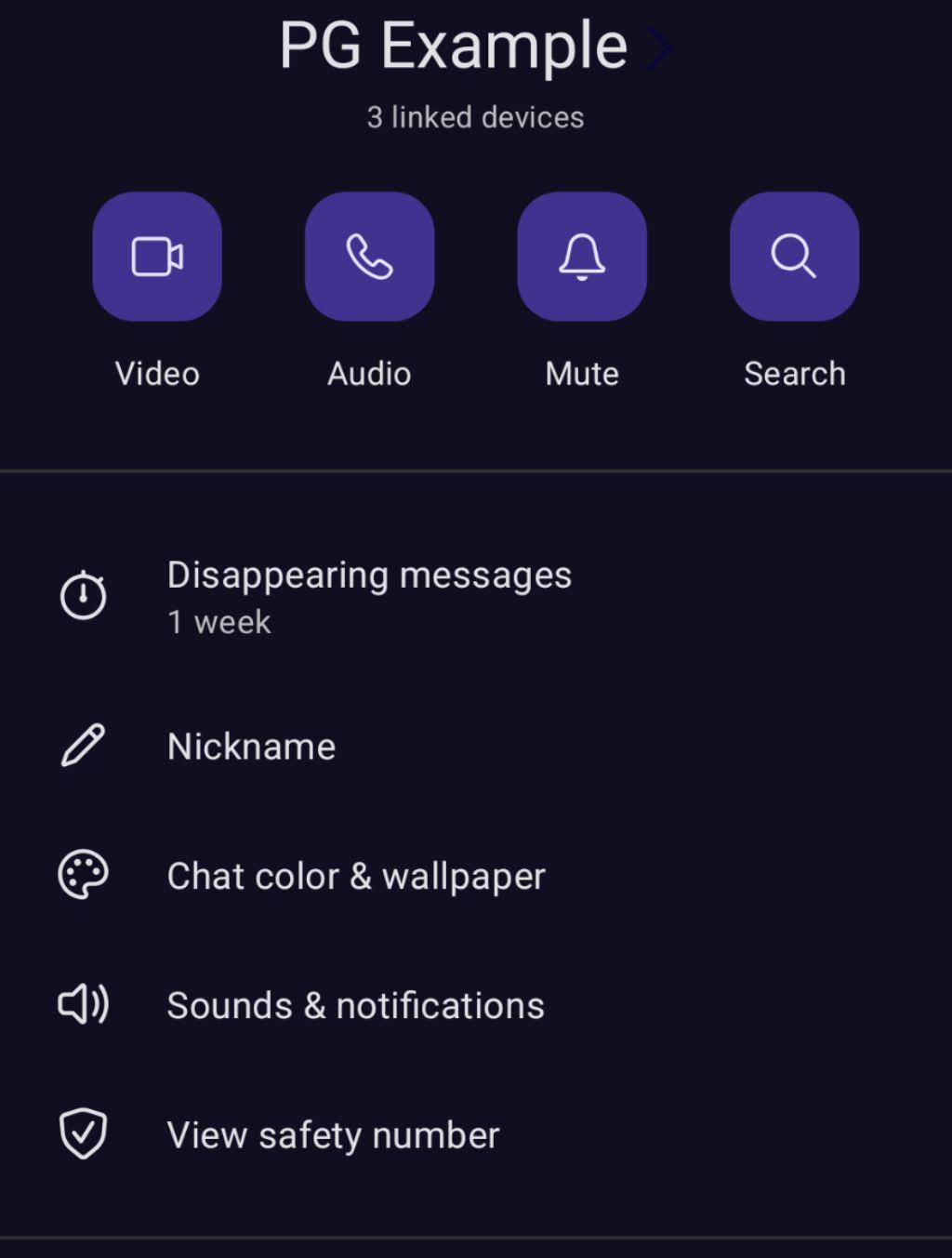
Molly has a feature where it shows how many linked devices a contact has. I don’t think it shows you how many YOU have any more easily, but for your contacts it does.
So I suppose in this context, Molly can be helpful to see if those with whom you are chatting have recently added a linked device, so you can confirm with them.
Note: Molly does not notify you at all, so you’d need to manually note the linked devices and check periodically, it’s far from ideal, but offers something that Signal does not.
Like @Bluetacked points out, it’s suspected authorities often have the ability to intercept or read text messages. In that case, it doesn’t seem like the user would have to make any mistakes for this attack, and it’s essentially a guaranteed backdoor. Am I missing something?
I may be judging the rest of the world by UK standards but pretty sure they have open, warrantless access to SMS (and calls) here and would be surprised if this doesn’t apply to quite a few other countries despite ours being one of the worst for surveillance. Correct me if I’m wrong.