Yes if they have a magnetic cover.
3 Likes
Why does it have to be MFi then? If all that’s needed is a cover with a magnet on it, then surely that would work too?
1 Like
I could see the concern being that if your device is compromised and you don’t realize that, then not only does the attacker have access to all data on the device, but also to conversations had around the device. Depending on your threat model and OPSEC, it could be good to have confidence that even if you’re compromised that you’re not sharing EVERYTHING that could be leaked around your device.
2 Likes
‘Planning for a future generation” doesn’t sound much like “the first release with our new OEM partner “
1 Like
Cutting power to electronics makes it difficult for remote attackers to turn it back on.
See also:
2 Likes
Yes, probably, but there are a lot of magnetic components in an iPad and I’m not sure which one(s) would trigger the microphone killswitch. If the case is MFi certified then it is guaranteed to have magnets in the correct location(s) 
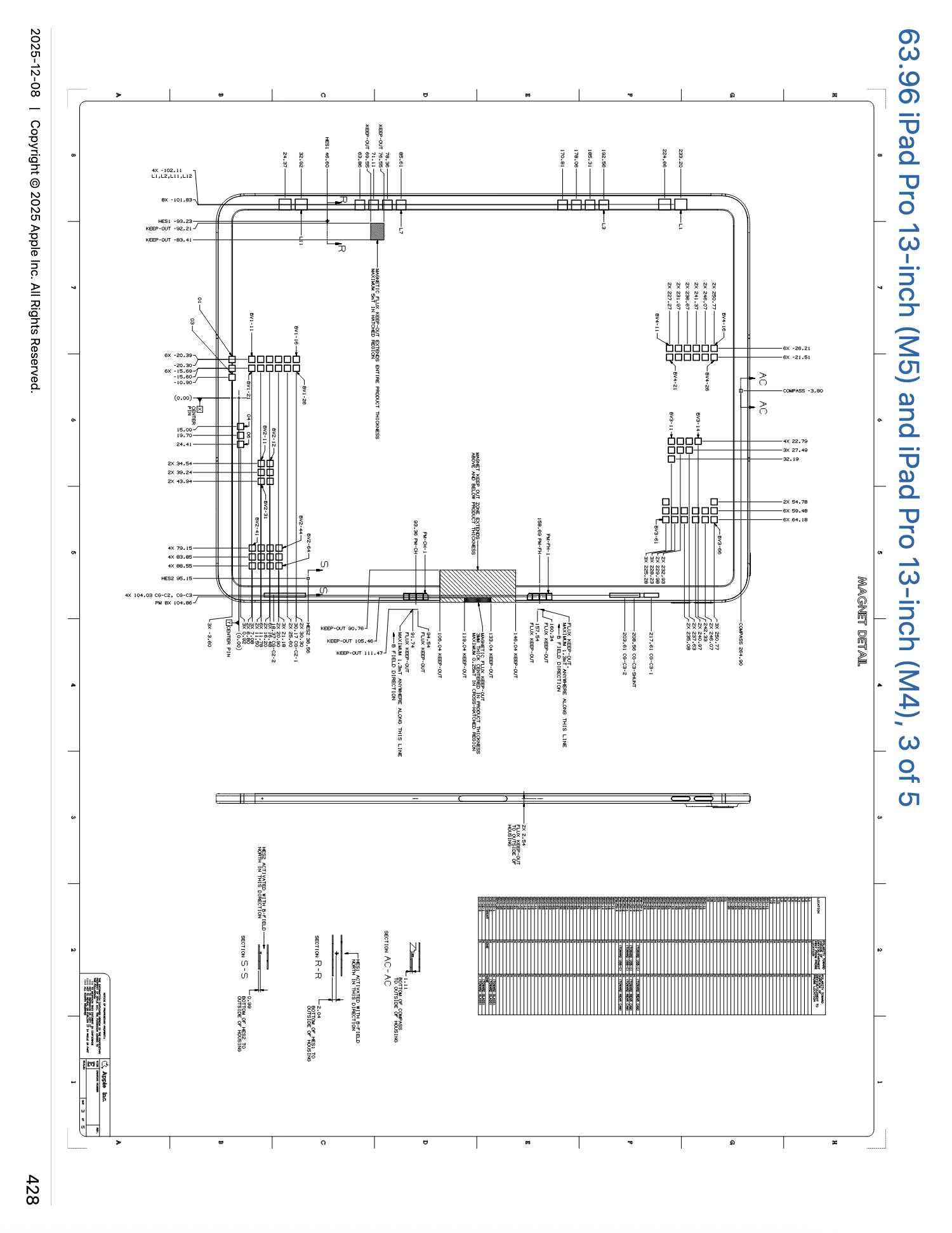
To be fair I would imagine the killswitch is simply tied to the sleep/wake functionality of magnetic covers, and if the cover can put the iPad to sleep it probably will work fine. But since I don’t know that with 100% certainty I’ll stick with MFi ones.
4 Likes
The USB port cannot be fully disabled when the device is turned off because there is a separate charging mode that is always active when plugging the device in to a charger. In theory, USB Killer could be used to exploit this feature and render the device inoperable, but manufacturers have (mostly) caught on to this attack vector in practice and contained the potential damages. A hardware kill switch for the USB controller, when properly implemented, can also mitigate this attack.
2 Likes
You nailed it.
1 Like
Bingo. Imagine if the police take your phone and then hand it back to you. Safe to assume the device is compromised and likely has malware on it. I could imagine the kill switch coming in handy.
1 Like
I guess there is no way to test it either. I actually prefer non-cover cases for the iPad. It’s a shame that Apple didn’t come up with a better alternative.
1 Like
Hardware kill switches are great for uninterrupted music consumption sessions, among other workflows:
Related:
It may be that they (GrapheneOS) are in a situation where they want to invest 80% of their time and effort in preventing deep/persistent compromise (“important work”) instead of detection and mitigation of such. The reality is that they get significant feedback from some pockets of the privacy community who are far more swayed by killswitches in other projects that have not done that 80% as effectively (especially scammy ones like Unplugged UP Phone), so it’s partially about removing the excuse from the table.
It’s not so much that there is no concrete risk, but they believe it shouldn’t take so much away from more preventative work. Yet it is often advertised as a headlining feature.
1 Like