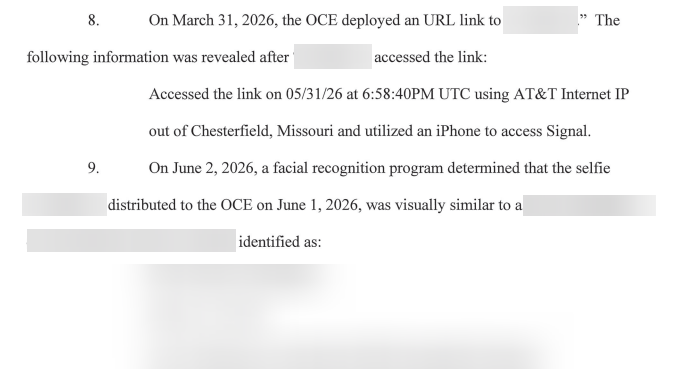
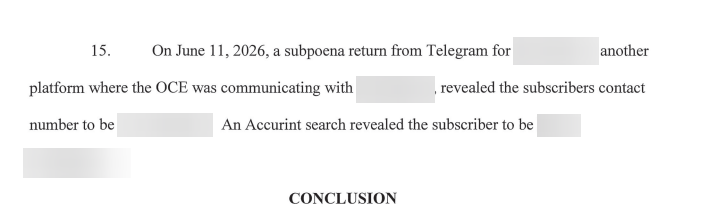
Just a friendly reminder to not click on links. I don’t believe this was zero-click and he actually interacted with the link based on the wording. They spent 2 months building his trust eventually getting him to click whatever the link was and send a selfie.
Source:
complaint.pdf (3.0 MB)
4 Likes
Very interesting, thanks for sharing the original document. It shows technology can’t protect you if you if you are not aware of how it works.
The same techniques/VPN/encryption we try to protect ourselves with, is used against the perpetrators.
good that they caught the guy
2 Likes
Has the media covered this?
I mean it’s nothing revolutionary but I’m more interested in what the URL was. Back in 2007 during the Timberline High School bomb threat investigation, the FBI setup a fake article about the bomb threat to make it appear as if the article came from the Associated Press and got the suspect to click it.
2 Likes
Am I understanding correctly that had the individual used a VPN the user would have been protected?
Depending on the VPN, possibly. But him sending his face is just stupid. The FBI has a team dedicated to matching faces to identities. Drivers License photo prob matched him or passport. Then he used a number linked to him to signup for Telegram which added more credibility.
This is a really odd complaint to reference given this is a text book case of good law enforcement work, and basic privacy hygiene advice. Does anyone in this sphere really need to be reminded not to click on random/untrusted links?
1 Like
I mean it’s interesting so I don’t think it’s weird to share. But it’s also good to see law enforcement doing targeted investigations rather than using mass surveillance.
1 Like
These are the most common cases that come up when I’m filtering for Telegram/Signal. I try to find cases where it appears the individual took steps to hide their identity. It’s a bit more than don’t click random links, more like don’t click any link. This guy was social engineered for 2 months before he clicked it so I wouldn’t call it a basic mistake.
2 Likes